Tenslam Vision — Physical AI Infrastructure
Build Reliable AI for the Physical World
Turn real-world behavior into structured physical episodes for evaluation, simulation and learning.
Tenslam Vision helps transform video, model outputs and physical-system data into information developers can inspect, compare and eventually replay in simulation.
Early-stage company. Product direction is being validated with developers.
- 00:02.0Worker reaches for object
- 00:04.0Contact detected
- 00:05.0Model predicts: grasp success
- 00:06.0Object slips
- 00:06.4Failure detected
- agent
- arm_01
- object
- container_A
- contact
- t=4.0s
- outcome
- slip
Grip lost during transition
- conf.
- 0.87
- orient.
- Δ 18°
- v12
- ✓
- v13
- ✗
Replay: simulation-ready scenario
Concept: vary grip and orientation, re-test v13.
Concept visualization. Values are examples, not measurements from a deployed system.
The problem
Physical AI has a debugging problem.
Multimodal
Video, robot logs, telemetry and model outputs live in separate tools and formats.
Temporal
Failures unfold over time. A single frame or a single metric rarely explains what went wrong.
Hard to reproduce
A failure seen once in a real environment is difficult to inspect, share or test against again.
Hard to compare
It is unclear whether a new model version improved or regressed physical behavior.
What Tenslam Vision does
From physical behavior to structured intelligence.
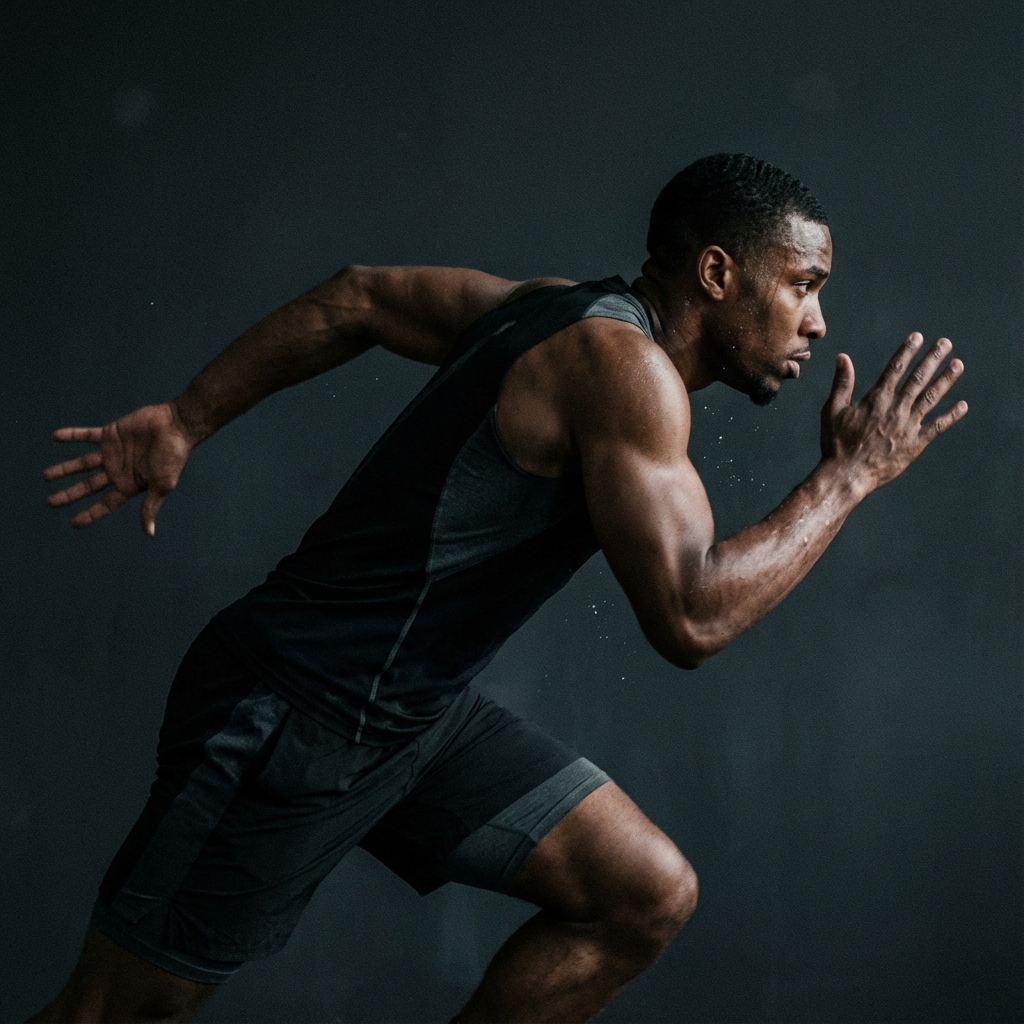 01
01Observe
Ingest video, model outputs and system data.
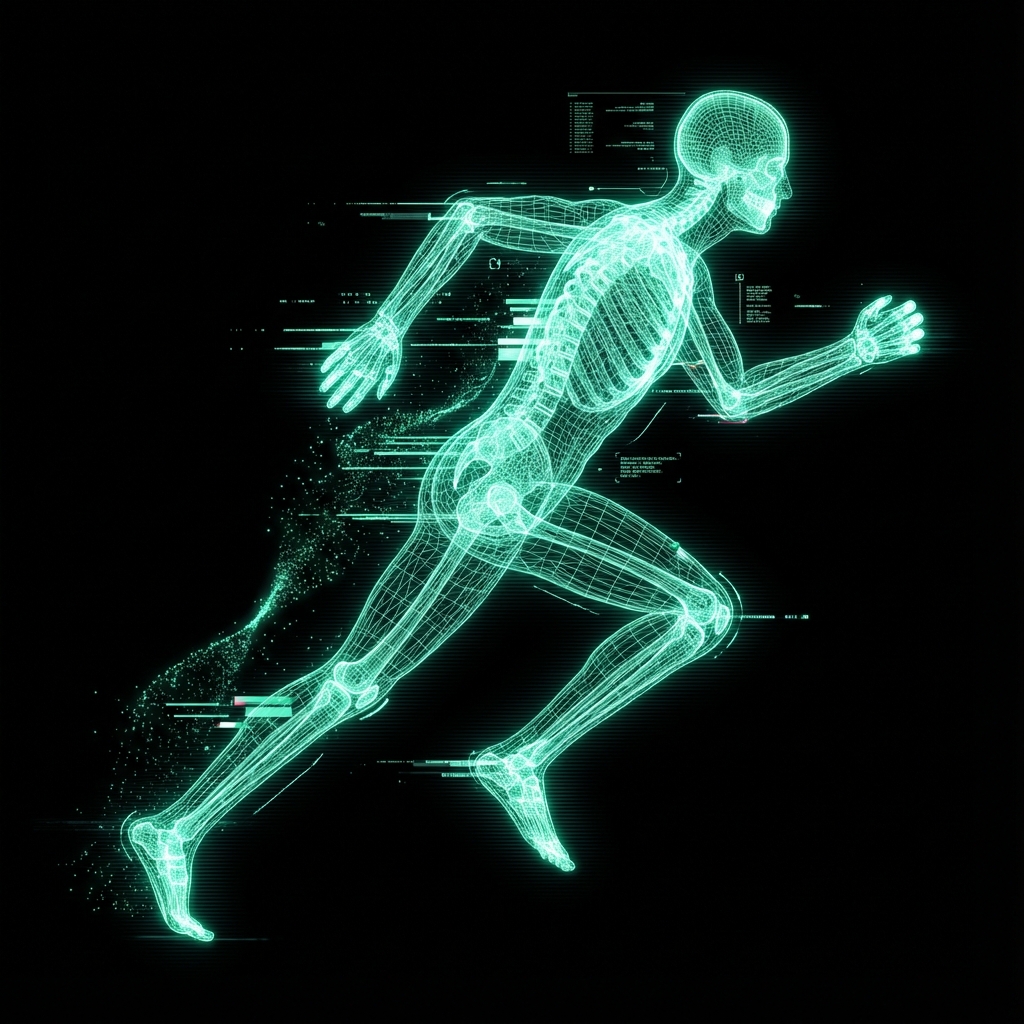 02
02Structure
Represent agents, objects and time.
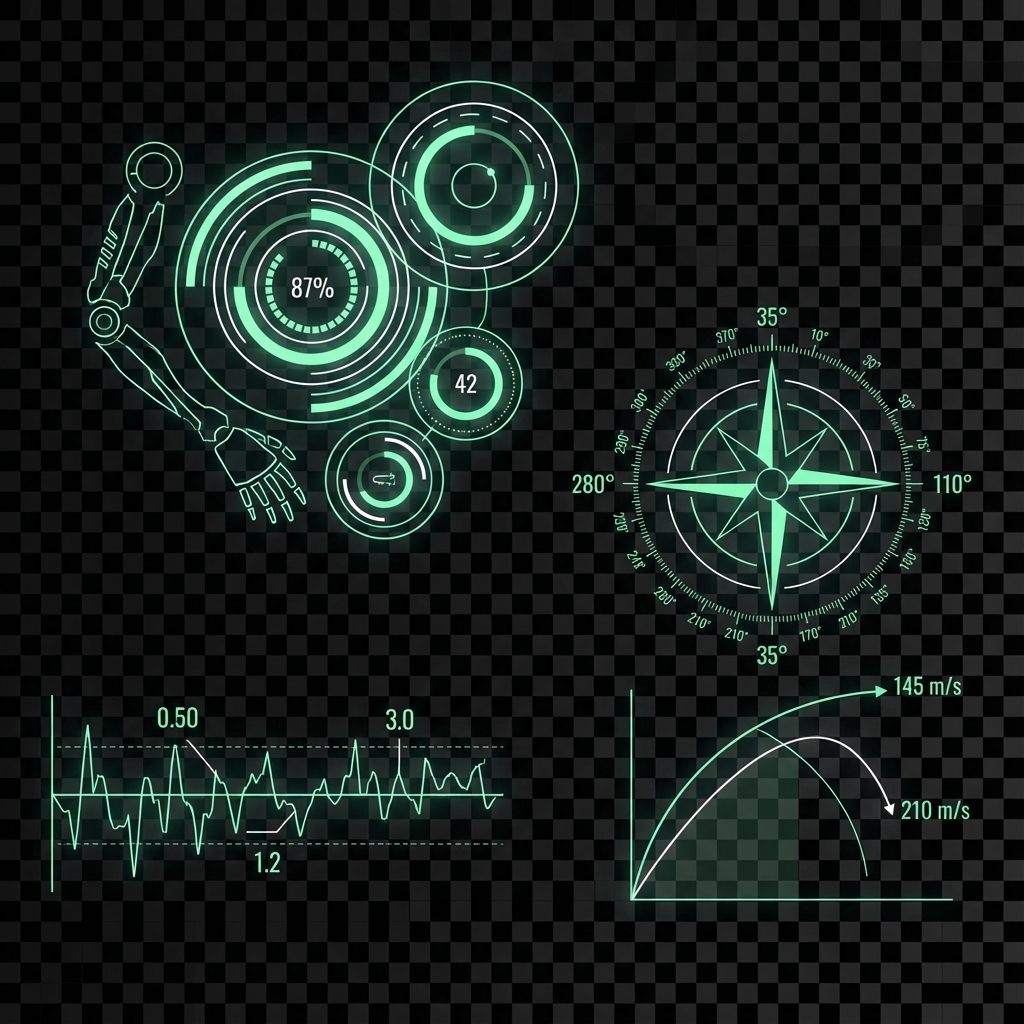 03
03Understand
Identify actions, contacts and transitions.
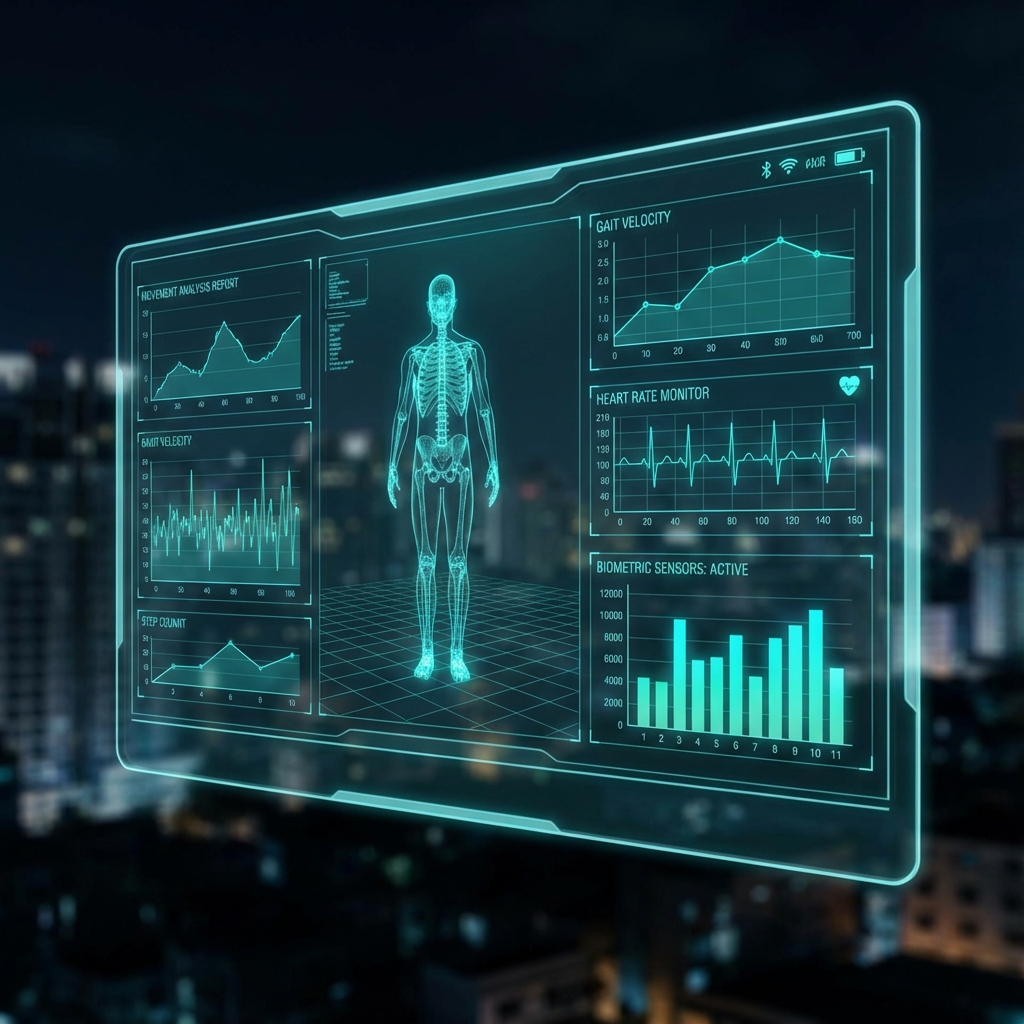 04
04Evaluate
Compare expected and observed behavior.
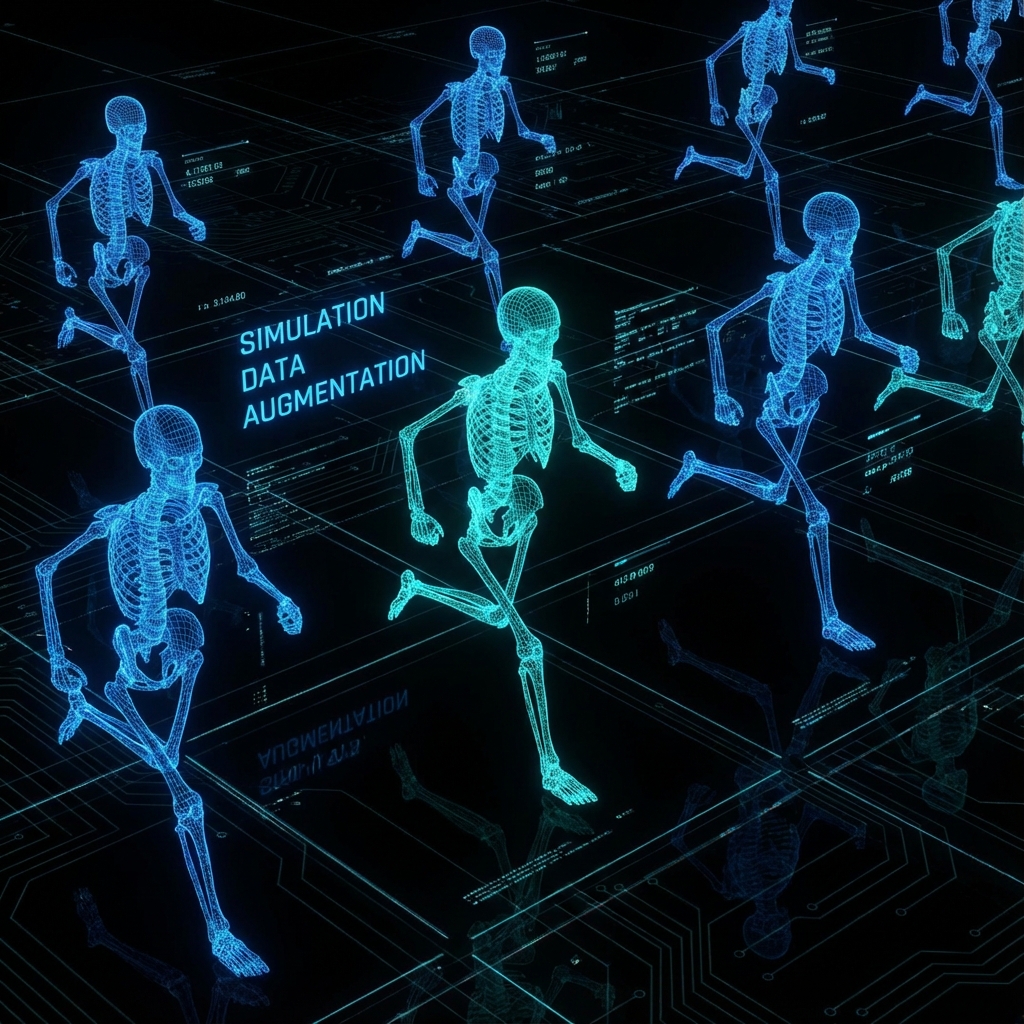 05
05Replay
Turn episodes into reproducible scenarios.
 06
06Improve
Compare model versions and track regressions.
Images are conceptual illustrations, not outputs from a deployed system.
Try it now · Free
AI Video Quality Check
Core abstraction
Physical Episodes
Input
- Video
- Model output
- Telemetry and robot logs
- Simulation traces
Episode
- • Agent
- • Object
- • Action
- • Contact
- • Timeline
- • Prediction
- • Outcome
- • Uncertainty
Output
- Searchable structured record
- Evaluations and timelines
- Machine-readable representation
The episode schema is under active design and will change with customer discovery.
Evaluation
Find where physical intelligence breaks.
Real world ↔ simulation
Real-world failures should become test cases.
- 1Capture a hard real-world episode
- 2Structure it
- 3Approximate the scenario in simulation
- 4Vary conditions
- 5Test newer models
- 6Catch regressions
Faithful real-to-simulation reconstruction is an open research problem. We are exploring approximate, evaluation-oriented scenarios, not perfect reconstruction.
Potential workflows
Where this could be useful.
Robotics development
Inspect and compare real-world robot behavior.
Physical AI evaluation
Test model versions against structured episodes.
Simulation and synthetic data
Seed scenarios from real episodes.
Human-robot and human-object interaction
Represent contact and handover events.
Industrial physical systems
Review anomalies across logs and video.
Human-performance analysis is an experimental application, explored in Labs.
Technical architecture
A layered direction, labelled honestly.
L1
Perception
Identify relevant agents, objects and motion.
L2
Temporal understanding
Understand actions and changes through time.
L3
Interaction
Human-object, robot-object and environment interactions.
L4
Physical events
Contacts, transitions, constraints, anomalies.
L5
Evaluation
Expected versus observed behavior and failure modes.
L6
Simulation bridge
Episodes that can later be reproduced or varied in simulation.
L7
Structured output
Searchable events, timelines, machine-readable records.
Compute
Why accelerated computing is relevant.
NVIDIA, Triton, Omniverse, OpenUSD and Isaac are trademarks of their respective owners. Tenslam Vision is not affiliated with or endorsed by NVIDIA.
Current stage
Early development, built in the open.
Tenslam Vision is currently in early development. We are working with real-world physical data and building the first version of our evaluation and physical-episode infrastructure. The product direction will follow what we learn from developers and from technical validation.
Talk to us
Building Physical AI? We want to understand your hardest evaluation failures.
- Robot failure logs
- Difficult edge cases
- Real-vs-simulation gaps
- Behavior regression
- Video and log synchronization
- Evaluation workflows